




How legacy planning works
Your legacy is what you leave for the people and causes you care about. Legacy planning means deciding who should receive what, and making sure your accounts and policies actually say so.
Read the details
Life insurance is one of the tools people use. A death benefit is typically paid directly to the beneficiaries you name, which can help a spouse, children, grandchildren or a charity. Permanent life insurance can be designed to last your whole life, as long as premiums are paid.
A big part of the work is organization: reviewing beneficiary designations on life insurance, annuities and other accounts, so they match your wishes today. Belinda handles the insurance side. Wills, trusts and legal questions belong with an estate attorney, and she can work alongside yours.
When people explore it

Grandchildren came along
Many people start legacy planning when they want to leave something specific for grandchildren or other young family members.
A marriage, divorce or loss
Major life changes are a common reason to review who is named on policies and accounts, since old designations may no longer fit.
Equalizing an inheritance
Parents leaving a home or business to one child sometimes use life insurance to leave something comparable to the others.
Supporting a cause you love
Some people want part of their legacy to go to a church, charity or school and ask how insurance can do that.
Potential benefits and things to weigh
Potential benefits
- Life insurance can pay a death benefit directly to named beneficiaries, separate from many parts of the probate process.
- Reviewing beneficiaries can help make sure policies and accounts reflect your current wishes, not old ones.
- Permanent life insurance may provide coverage for life, as long as premiums are paid as required.
- Coordinating with your attorney can help your insurance and legal documents work together instead of conflicting.
Things to weigh
- Beneficiary designations usually control who receives a policy, even if your will says something different.
- Naming a minor directly as beneficiary can create complications; ask an attorney about options such as trusts.
- Permanent life insurance generally costs more than term coverage. Approval and pricing depend on underwriting.
- Belinda does not give legal or tax advice. Estate documents and tax questions belong with qualified professionals.
Terms to know
Tap a term to see what it means.
Primary beneficiary
The first person or entity in line to receive a policy's death benefit.
Contingent beneficiary
The backup person or entity who receives the benefit if the primary beneficiary has died.
Probate
The court process for settling a person's estate, which can take time and involves its own costs.
Estate
Everything a person owns at the time of death, including property, accounts and possessions.
Permanent life insurance
Life insurance designed to last for your whole life, as long as premiums are paid, such as whole life.
Questions to ask before you decide
Tick the ones you care about and bring them to your call. If texting is easier, you can send them to Belinda as a text. She will go through each one with you.
Common questions about legacy planning
Do I need a lot of money to do legacy planning?
No. Legacy planning is about intentions, not size. Even making sure the right people are named on an existing life insurance policy is a meaningful step.
What happens if my beneficiary designation is out of date?
The benefit generally goes to whoever is named on the policy, even if your situation or your will has changed. That is why reviewing designations after major life events is so important.
Does Belinda write wills or trusts?
No. Belinda is a licensed financial professional, not an attorney. She handles the insurance side and can refer you to an estate attorney for wills, trusts and legal advice.
How does life insurance fit into a legacy plan?
A death benefit can provide money for the people or causes you choose, often without waiting for an estate to be settled. Belinda can explain which types of coverage may fit and what you would need to qualify.
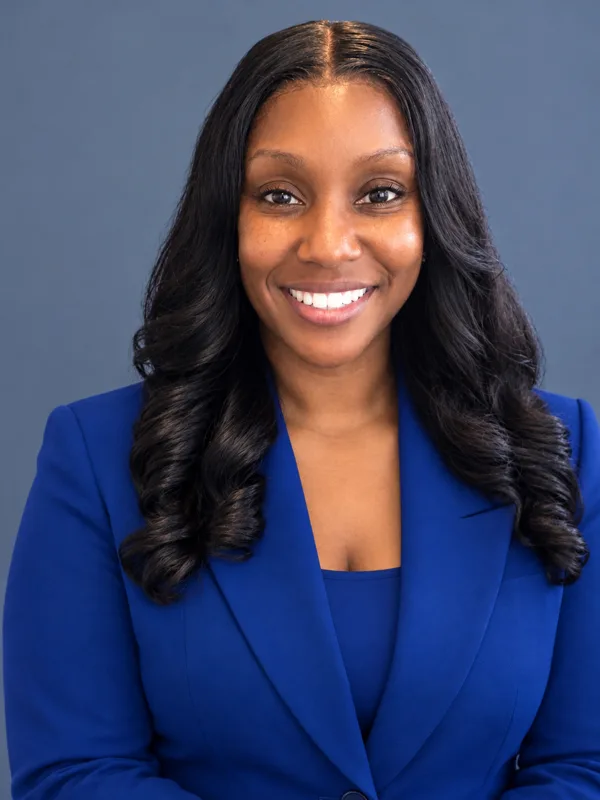
When we talk about legacy, I ask who you want to take care of and then help you look at your policies and beneficiaries to make sure they match. For anything legal, I will encourage you to work with an attorney, and I am happy to coordinate with yours.
Request a coverage review
Share a few details and Belinda will reach out the way you prefer, with no obligation to buy. Legacy Planning is already selected below.
Your request is in Belinda's file
Belinda will reach out at the time you picked, using the contact method you chose. If you'd like to get started sooner, book a time on her calendar or call (252) 258-4728.
To make sure your request reaches her today, send it straight from your phone or email:
Related papers
- Wills & Living Trust ReferralsLegacy and planning
- Whole Life InsuranceLife insurance
- Final Expense InsuranceLife insurance



Also in legacy and planning: Wills & Living Trust Referrals